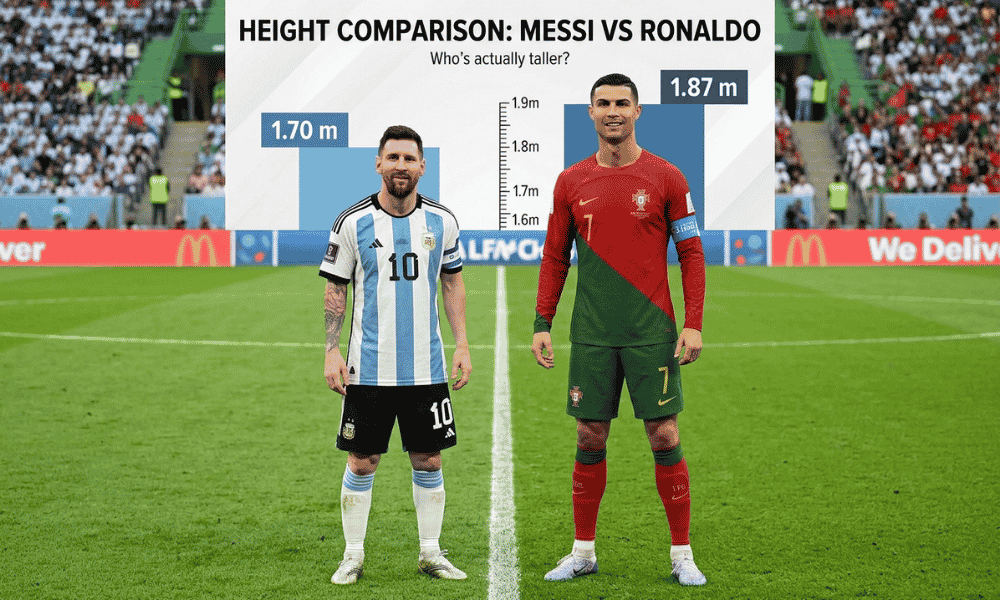
Blank height comparison chart tools play a powerful role in helping people understand information quickly, clearly, and accurately. When numbers are presented visually instead of listed in tables, the human brain processes them more efficiently and with greater clarity. This is why a blank height comparison chart is one of the most effective ways to visualize measurements across different subjects, objects, or categories.
Whether you are comparing people, everyday objects, buildings, product sizes, or abstract data points, a well-structured blank height comparison chart transforms raw measurements into visuals that are easy to read, engaging to explore, and simple to explain. Instead of forcing viewers to interpret numbers on their own, height charts show differences instantly and intuitively.
A blank height comparison chart provides a flexible starting point. Rather than locking you into a fixed layout, it allows you to shape the chart around your specific goals. From education and research to design planning and casual comparisons, this type of chart turns scattered data into meaningful visual insights that can be shared and understood by almost anyone.
This guide explains how to create, customize, and analyze a blank height comparison chart so you can present your data clearly and confidently.
Understanding the Core Components of a Blank Height Comparison Chart
Before creating any visual, it is important to understand what makes a blank height comparison chart accurate and effective. At its core, a blank height comparison chart is built from three essential components: the graph layout, the measurement scale, and the data labels.
The graph layout defines how the comparison is displayed. A blank height comparison chart can be vertical or horizontal, depending on the type of comparison you want to make. Vertical charts are the most common because they reflect real-world height perception and make differences easy to recognize. Horizontal charts, on the other hand, work well when comparing a large number of items or longer labels.
The measurement scale is the most critical part of any blank height comparison chart. It shows the units used for measurement, such as centimeters, meters, feet, or inches. The scale must be evenly spaced and properly calibrated. Even small spacing errors can visually exaggerate or minimize differences, which can lead to incorrect conclusions.
Labels provide context and meaning. In a blank height comparison chart, labels may include names, categories, or short descriptions placed next to each height marker. Clear and readable labeling ensures that viewers immediately understand what each bar or line represents without confusion.

Choosing the Right Blank Height Comparison Chart Template
Not every dataset benefits from the same chart design. Choosing the right blank height comparison chart template depends on what story your data needs to tell.
If you want to compare individual heights side by side, such as people, products, or objects, a bar or column-style blank height comparison chart is usually the best option. These charts are simple, clean, and allow viewers to compare differences at a glance.
When your data involves change over time, such as growth patterns or development stages, a line-based height chart may work better. While line charts are not always associated with height comparisons, they can still be effective when height values evolve across multiple time points.
For more advanced comparisons that involve multiple variables, such as height combined with age, population size, or category, grouped or bubble-style blank height comparison charts provide deeper insight. The most important rule is to match the chart type to the message you want your data to communicate.

Organizing and Labeling Data for Better Clarity
Once you have selected the right blank height comparison chart template, the next step is organizing your data carefully. Start by listing all subjects or items you plan to compare and ensure that each has a clearly defined and accurate height value.
Consistency is essential in any blank height comparison chart. Always use the same unit of measurement throughout the chart. If your data comes from different sources, double-check conversions before adding them to avoid misleading visuals.
Labels should remain short but descriptive. Overloading the chart with long text reduces readability. Instead, focus on clarity and balance. If additional explanation is required, include it in a legend or supporting text outside the chart.
Color-coding is another effective technique. Subtle, contrasting colors can highlight key differences without distracting the viewer. When used properly, color helps patterns and relationships stand out instantly.
Customizing a Blank Height Comparison Chart for Better Visual Impact
One of the biggest advantages of a blank height comparison chart is its flexibility. Customization allows you to tailor the chart to your audience, purpose, or brand.
You can adjust colors to align with branding, presentation themes, or educational goals. Neutral tones often work best for professional reports, while brighter colors can be useful for teaching or visual storytelling.
Icons and symbols can also enhance a blank height comparison chart. For example, using silhouettes of people or objects makes comparisons more intuitive and relatable. These small visual cues help viewers understand the data without reading every label.
Spacing and alignment matter just as much as color. Balanced spacing prevents clutter and keeps the focus on the height comparison itself. A clean, well-aligned chart always feels more trustworthy and easier to read.
Making a Blank Height Comparison Chart Easy to Share
A successful blank height comparison chart should work well across different platforms. Whether used in presentations, websites, reports, or print materials, clarity must remain consistent.
Text and labels should stay readable at different sizes. Avoid extremely thin lines or small fonts that may disappear when the chart is resized. Exporting charts in high-quality formats like SVG or PNG helps preserve sharpness and accuracy.
Accessibility is also important. Clear contrast, readable fonts, and descriptive labels ensure that a wider audience can understand and benefit from your blank height comparison chart.

Analyzing and Interpreting Blank Height Comparison Chart Results
After filling in your blank height comparison chart with accurate data, interpretation becomes the final and most valuable step. This is where visuals turn into insights.
Look for visible patterns such as large gaps, clusters of similar heights, or unexpected differences. These visual cues often reveal trends that are difficult to spot in raw numbers alone.
Comparing related datasets side by side can uncover relationships or inconsistencies worth exploring further. Cross-referencing your findings with external sources adds depth and credibility to your analysis.
Over time, reviewing multiple blank height comparison charts can also help refine your design approach. You may discover layouts or visual techniques that make future comparisons even clearer and more effective.
Final Thoughts
Blank height comparison chart visuals are more than simple graphics. They are practical tools that turn data into understanding. By choosing the right format, organizing data carefully, and applying thoughtful customization, you can create blank height comparison charts that are accurate, engaging, and easy to interpret.
Whether used for education, research, design planning, or everyday comparisons, a well-crafted blank height comparison chart helps people see information clearly and make better decisions. When designed with care, these charts become powerful visual storytelling tools that bring data to life naturally and effectively.
Frequently Asked Questions
What are blank height comparison chart tools? They are visual tools used to compare heights or measurements clearly by displaying data in a chart format.
Why are height charts better than tables? Charts make differences easier to see and understand at a glance compared to raw numbers.
Who can use height comparison charts? Students, teachers, designers, researchers, and professionals can all benefit from them.
Can these charts be customized? Yes, they can be adjusted in layout, scale, colors, and labels to fit different needs.
What units can be used in height charts? Any unit can be used, such as centimeters, meters, feet, or inches, as long as consistency is maintained.
Are these charts suitable for websites? Yes, they improve visual clarity and user engagement when used on web pages.
What makes a height chart accurate? A properly calibrated scale and consistent measurement units ensure accuracy.
Can height charts help with data analysis? Yes, they help identify patterns, differences, and trends more easily.