
Introduction
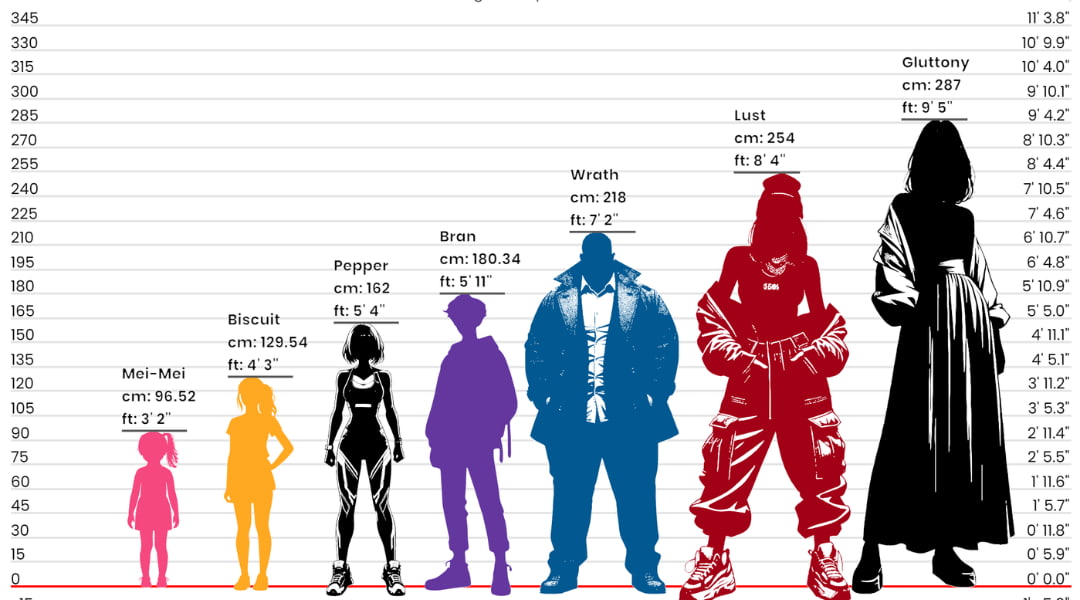
Height comparison helps people understand how tall or short something is when it is seen in relation to something else. People naturally think in comparisons. When we place two people, animals, or objects side by side, the difference becomes clear without the need for complex numbers.
In the modern digital world, visual methods are widely used to explain size differences. Many platforms use side-by-side visuals instead of long explanations because they are easier to understand and more engaging. This approach is particularly effective for education, entertainment, and general information.
This article explains the concept in simple, everyday language. You will learn how height differences are understood, why visuals are important, which units are commonly used, and explore real-life examples, height comparison tools, and common mistakes to avoid.
What Is Height Comparison?
Height comparison simply means examining two or more objects together to determine which one is taller or shorter. This can involve people, animals, objects, or large structures, such as buildings.
Instead of focusing only on measurements, visual methods such as charts, silhouettes, or scaled images are often used. These visuals help the brain instantly understand size.
For example, seeing a person next to a door or a tree makes the difference obvious without needing to read any numbers.

Why Visual Height Understanding Matters
One of the biggest benefits of visual height comparison is clarity. Numbers like centimeters or feet can seem abstract, especially to those unfamiliar with measurement systems.
Seeing items side by side removes confusion. There is no need to convert units or imagine proportions. The difference is visible immediately.
This method is also widely used in online content because it keeps users interested. Visual information is processed faster and remembered longer than text alone.
In classrooms, teachers employ this approach to explain scale and proportion in a manner that students can easily comprehend.
Common Units Used to Measure Height
To accurately understand height differences, standard measurement units are employed.
Centimeters are the most common unit of measurement worldwide and are primarily used for measuring people and everyday objects.
Meters are used for tall items such as buildings, trees, or poles.
Feet and inches are the most commonly used units of measurement in the United States and a few other countries.
Inches alone are often used for smaller items, such as screens or furniture.
Most digital tools automatically convert these units, making it easier for users from different regions.
Height comparison of People
Height comparison is very common in daily life.
Friends often compare heights just out of curiosity. Families compare children’s height over time to track growth. This helps parents understand development stages.
Differences between age groups also become clearer when visuals are used. A child next to an adult or a teenager next to an elderly person instantly shows how height changes with age.
Celebrity Height Curiosity
Many people are curious about the actual heights of celebrities. Movies, camera angles, and footwear can make actors and athletes appear taller or shorter than they actually are.
Placing public figures next to each other at the same scale helps remove misconceptions. This is why such visuals are very popular online and widely shared.

Humans and Animals Side by Side
Seeing humans alongside animals helps people understand the true size of wildlife. A horse, elephant, or giraffe looks very different when placed next to a person.
This method is commonly used in educational material, school projects, and documentaries. It helps learners grasp information quickly and remember it longer.
Objects and Buildings in Perspective
Visual size comparison is also useful for objects and structures.
Everyday items, such as doors, cars, and statues, are often depicted alongside a human figure to provide perspective.
Large structures, such as towers and skyscrapers, are compared with landmarks to illustrate their immense size. This is especially useful in architecture and travel-related content.
Online Tools That Help Visualize Height
Many online tools allow users to create visual size comparisons easily.
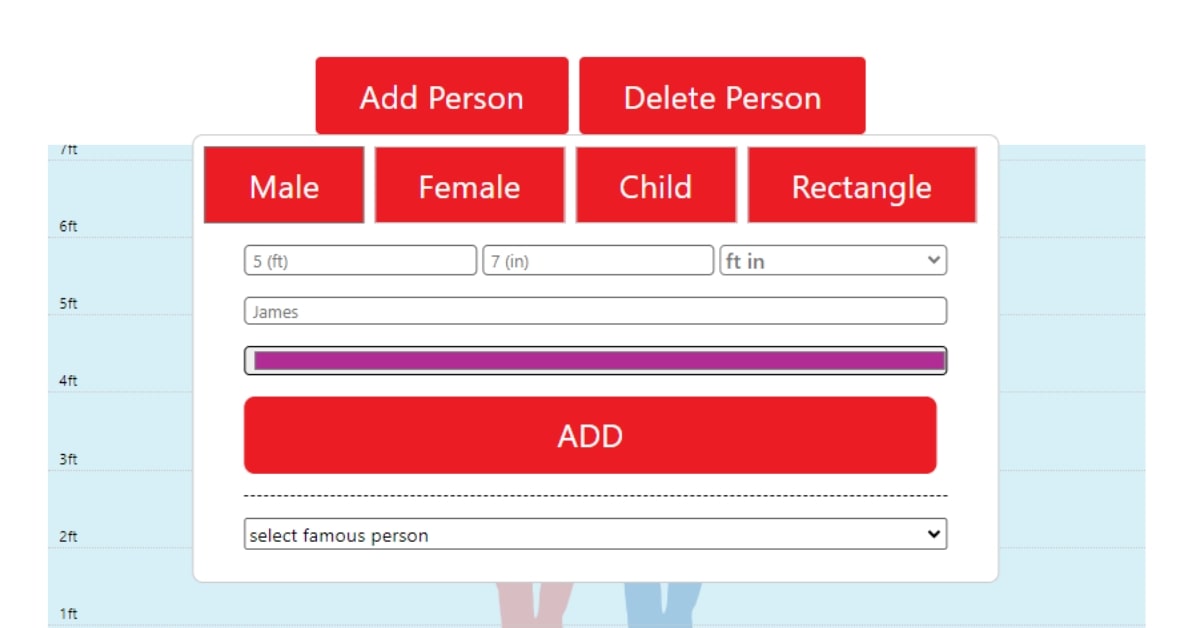
These tools typically enable users to add multiple items, select measurement units, and view everything side by side. Some also allow images to be downloaded or shared.
Content creators, designers, teachers, and bloggers frequently utilize these tools to enhance the clarity and engagement of their content.
Common Mistakes to Avoid
One common mistake is mixing different measurement units without explaining them. This can confuse readers.
Another mistake is relying only on numbers without any visual reference. This reduces clarity.
Using incorrect or unverified measurements can also damage credibility. Keeping explanations simple and accurate is always better.
Final Thoughts
Understanding height differences becomes much easier when visuals are used instead of relying only on numbers. Whether it involves people, animals, objects, or buildings, side-by-side representation makes information clear and easy to grasp.
With clear explanations, accurate measurements, and visual aids, anyone can understand size differences without confusion. That is why this approach remains popular in education, digital content, and everyday learning.
