Height myths have existed for generations and continue to shape how people think about growth, appearance, and success. From childhood advice passed down by elders to viral tips shared on social media, many beliefs about height sound convincing but are not based on facts. These misconceptions often create unnecessary pressure, especially for young people who worry about growing taller or adults who feel insecure about their height.
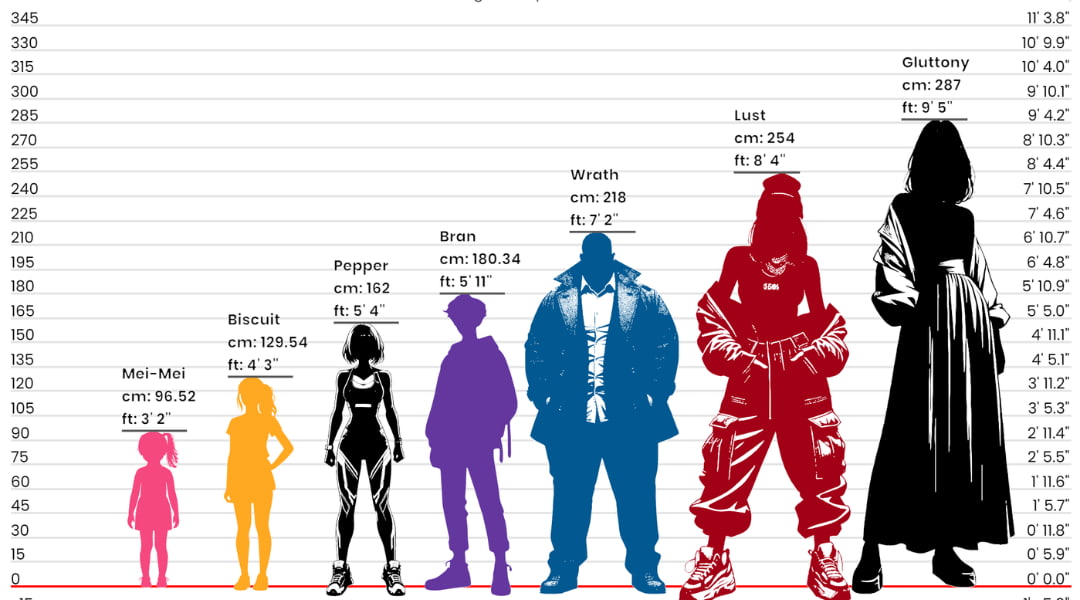
Understanding what is true and what is not can help people develop a healthier relationship with their bodies. In this article, we break down the most common misconceptions about height, explain why they persist, and clarify what science and real-life experience actually show. Height comparison may lead to such myths.
Why Height Myths Are So Common
Beliefs about height are deeply rooted in culture and tradition. In many societies, height has long been associated with power, confidence, beauty, or leadership. Because of this, people naturally look for ways to increase height or judge themselves based on it. When someone feels insecure, they are more likely to believe claims that promise quick or easy solutions.
Another reason these ideas spread so easily is that height is visible. Unlike internal health factors, height can be seen and compared instantly. This makes it an easy topic for rumors, exaggerations, and unrealistic expectations.
Myth 1: Adults Can Grow Taller Naturally
One of the most widespread height myths is the belief that adults can continue growing taller naturally well into their twenties or even later. Stretching routines, hanging exercises, yoga poses, and special daily habits are often promoted as ways to increase height permanently.
In reality, most people stop growing once their growth plates close. For women, this usually happens in the late teenage years, and for men, in the early twenties. After this point, bones no longer lengthen. Exercises may help improve posture and spinal alignment, which can make someone appear slightly taller, but they do not increase actual height.
Myth 2: Drinking Milk Guarantees Extra Height
Milk is often promoted as a magic solution for height growth. While milk contains calcium, protein, and other nutrients that support bone health, drinking more milk does not automatically make someone taller.
Height depends on genetics combined with overall nutrition, sleep, and health during childhood and adolescence. Milk supports healthy development, but it cannot push someone beyond their natural growth range. Balanced nutrition matters far more than focusing on a single food.

Myth 3: Tall Parents Always Have Tall Children
Many people believe height is passed down in a simple way, assuming tall parents will always have tall children. Genetics does play a major role, but it is more complex than a direct transfer.
Children inherit a mix of genes from both parents, and environmental factors also matter. Illness, nutrition, sleep quality, and physical activity during growth years all influence final height. As a result, tall parents may have average-height children, and average-height parents may have taller children.
Myth 4: Height Determines Success in Life
This is one of the most damaging height myths because it affects confidence and self-worth. Some people believe taller individuals are more successful, respected, or capable leaders.
While height may influence first impressions, long-term success depends on skills, education, communication, discipline, and resilience. Many successful leaders, entrepreneurs, artists, and athletes are of average or below-average height. Confidence and competence matter far more than physical measurements.
Myth 5: Stretching Exercises Increase Bone Length
Stretching is excellent for flexibility and posture, but it does not change bone length. This misconception often comes from the feeling of standing taller after stretching.
What actually happens is spinal decompression. Throughout the day, gravity compresses the spine slightly. Stretching can temporarily reduce this compression, helping you return to your natural height. However, this effect is temporary and does not result in permanent growth.
Myth 6: Height Supplements Really Work
The market is full of products claiming to increase height through pills, powders, or syrups. These claims are especially targeted at teenagers and adults.
There is no proven evidence that supplements can increase height after growth has stopped. While vitamins and minerals are important for overall health, they cannot reopen growth plates or lengthen bones. Believing these claims often leads to disappointment and wasted money.
Myth 7: Taller People Are Always Healthier
Some assume that being tall automatically means better health. While height can be linked to certain advantages, it can also come with risks.
Taller individuals may experience more joint stress or back issues, while shorter individuals may have advantages in balance and agility. Health depends on lifestyle, genetics, diet, and physical activity, not height alone.
Myth 8: Sleeping More Makes You Taller at Any Age
Sleep is essential for growth during childhood and teenage years because growth hormone is released during deep sleep. This fact has led to the belief that sleeping more can increase height at any age.
In adulthood, sleep remains vital for health, energy, and posture, but it does not increase height. Good sleep helps you function better, not grow taller.

Myth 9: Height Never Changes During the Day
Many people assume their height is fixed from morning to night. In reality, height changes slightly throughout the day.
In the morning, the spine is fully decompressed after lying down. As the day progresses, gravity compresses the spine, reducing height by up to one or two centimeters by evening. This is normal and temporary, not actual height loss.
Myth 10: Only Men Care About Height
It is often assumed that height concerns mainly affect men. In reality, people of all genders may feel insecure about their height for different reasons.
Some women wish they were taller, while others feel uncomfortable being much taller than average. Height-related concerns are human and influenced by social expectations rather than gender alone.
Why Height Myths Continue to Spread
Height myths persist because they offer hope, especially to people who feel insecure. Social media, advertisements, and word-of-mouth amplify unrealistic claims. Cultural beliefs and outdated advice also play a role in keeping these ideas alive.
People are more likely to believe information that promises control over something that feels fixed, like height. This makes critical thinking especially important when encountering such claims.
Facts Everyone Should Know About Height
Height is mostly determined by genetics, supported by nutrition, sleep, and health during growth years. Once growth ends, height remains mostly stable, with small daily variations caused by posture and spinal compression.
Good posture, fitness, and confidence can improve how tall you appear and how you feel, even if your actual height does not change.

Frequently Asked Questions
What are the most common height myths people believe? Some common height myths include the idea that adults can grow taller naturally, that milk guarantees extra height, and that supplements permanently increase height.
Can adults increase their height? Adults cannot increase bone length after growth plates close. Improving posture may help you stand at your full natural height.
Does height affect confidence? Confidence comes from self-acceptance, skills, and mindset. Height alone does not determine confidence or personality.
Why do height misconceptions feel believable? They often rely on partial truths, such as the importance of nutrition or sleep during growth years, which are then exaggerated.
Final Thoughts
Height myths continue to influence how people see themselves, but understanding the truth can be freeing. Height is just one physical trait, not a measure of worth, success, or happiness. Letting go of unrealistic beliefs allows people to focus on health, confidence, and personal growth.
Instead of chasing impossible promises, embracing your natural height and working on posture, fitness, and self-esteem leads to a far more positive and realistic outcome.s.