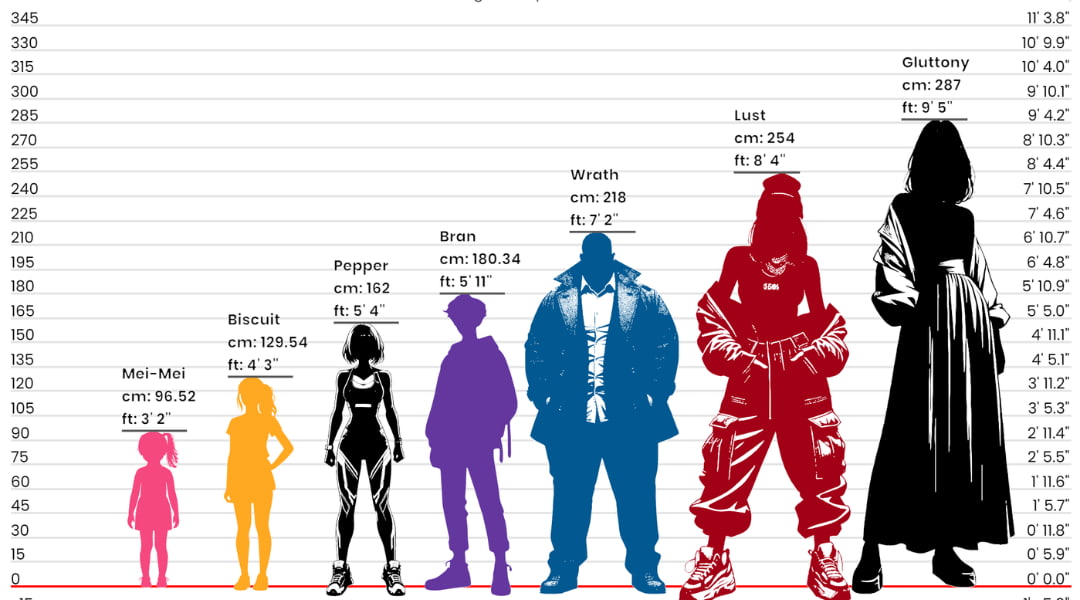
Male vs female average heights have long been a subject of interest, as they highlight how biology, environment, and lifestyle combine to shape human growth. Around the world, differences in nutrition, healthcare access, genetics, and cultural habits contribute to noticeable variations in how tall men and women grow. These factors help explain why height gaps can appear small in some regions and much wider in others.
Male vs female average heights vary dramatically across the globe, revealing fascinating insights into human biology and lifestyle. A height difference man/woman simulator makes these disparities easy to grasp visually. This article examines global data, key factors, and tools, such as height difference simulators, to help you understand and accurately depict the height difference between men and women.
Male Vs Female Average Heights – Breakdown
Average male heights typically exceed female heights by 10-15 cm worldwide, but extremes exist by region. In Europe, men average 178 cm, while women reach 165 cm. Asia shows shorter averages, with men at 171 cm and women at 159 cm.
- The Netherlands leads with men at 183 cm and women at 170 cm – a 13 cm gap.
- Indonesia has the smallest averages: men 163 cm, women 152 cm.
- In the US, men average 175 cm, women 162 cm.
These figures come from comprehensive studies tracking populations over decades. Visualizing the height difference between men and women through a height comparison man and woman simulator highlights how a Dutch man towers over an Indonesian woman by over 30 cm.

Height Difference Simulator: Visualising Global Comparisons
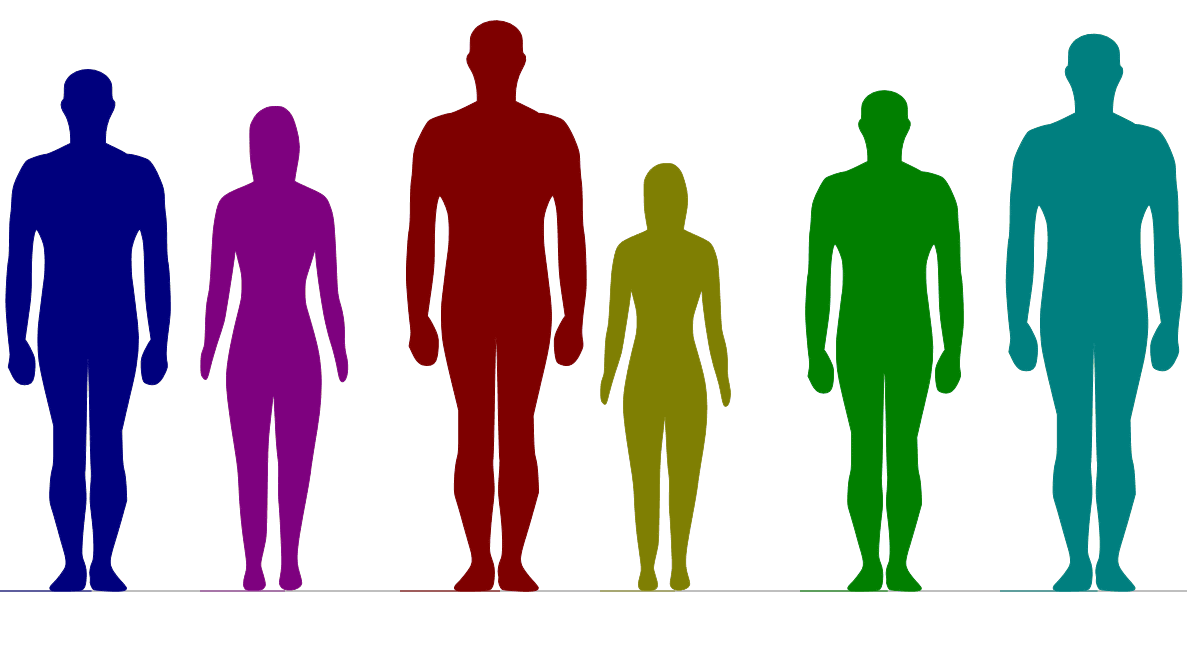
A height difference simulator transforms dry stats into interactive visuals. Users input nationalities or averages, and the tool scales figures side by side for instant clarity.
Height comparison man and woman simulator tools let you drag avatars or overlay silhouettes, depicting height differences dramatically. For example, compare a Montenegrin man (183 cm) next to a Guatemalan woman (150 cm), the gap exceeds 33 cm.
Popular free online height difference simulators include:
- Side-by-side avatar generators showing scaled humans.
- AR apps overlaying heights on your camera view.
- Customizable charts for any country pair.
These tools excel at height difference man and woman simulator experiences, making complex data accessible for students, travelers, or curious users.
Top Countries: Depicting Height Difference Between Men and Women
Regional trends paint a clear picture when depicting the height difference between men and women.
| Country/Region | Male Avg (cm) | Female Avg (cm) | Difference (cm) |
| Netherlands | 183 | 170 | 13 |
| Montenegro | 183 | 169 | 14 |
| Bosnia | 182 | 167 | 15 |
| USA | 175 | 162 | 13 |
| China | 172 | 160 | 12 |
| India | 165 | 152 | 13 |
| Guatemala | 164 | 150 | 14 |
Northern Europeans dominate the tallest lists due to optimal nutrition, while South Asian and Latin American nations lag. A height difference simulator vividly shows how geography shapes these patterns.
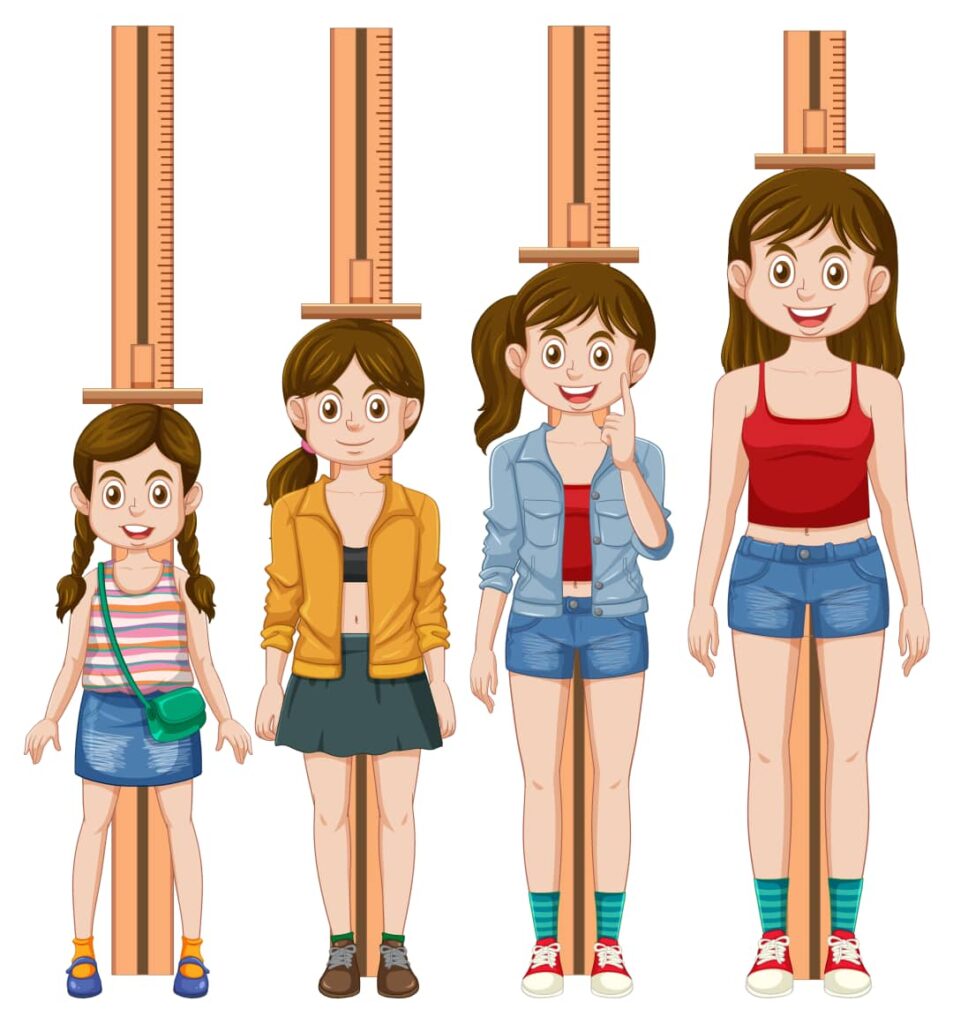
Factors Influencing Male vs Female Height Differences
Male and female height differences do not happen by chance. A mix of genetics, environment, and lifestyle shapes how tall people grow in different parts of the world. While genetics sets the foundation, external factors often determine whether someone reaches their full height potential.
- Genetics: Genetics accounts for nearly 80 percent of height variation. Men often inherit taller growth traits from both parents, which naturally leads to greater average height differences between males and females.
- Nutrition: A balanced, protein-rich diet during childhood and adolescence supports healthy growth. In wealthier countries, better nutrition can add 5 to 10 cm to average height compared to regions with limited food access.
- Hormonal Differences: Testosterone causes males to experience later and longer growth spurts, allowing bones to grow for a longer period than in females.
- Ethnicity and Ancestry: Certain populations are genetically predisposed to taller stature. For example, men from the Dinka tribe in South Sudan average around 190 cm, among the tallest in the world.
- Geography: Living at high altitudes can slightly limit growth due to reduced oxygen levels, which may affect development over generations.
- Healthcare and Living Conditions: Access to clean water, vaccinations, and disease prevention allows children to reach their full height potential without growth interruptions.
- Environment and Lifestyle: Physical activity, sleep quality, and overall living standards also influence growth patterns and final adult height.
Hormones like testosterone drive male growth spurts later and longer. Visualizing the height difference between men and women via simulators underscores how the environment amplifies genetic baselines.
Height Comparison Tools for Everyday Use
Beyond data, height comparison man/woman simulator apps serve practical needs in everyday life. Parents often use them to estimate how tall their children might grow, athletes rely on them to understand physical matchups, and couples use them out of simple curiosity to visualize height differences in daily life. These tools turn raw numbers into clear, easy-to-understand visuals.
To put global height differences into perspective, here are average male and female heights from different countries:
- Netherlands: Men 183 cm, Women 170 cm
- Sweden: Men 180 cm, Women 167 cm
- United States: Men 176 cm, Women 163 cm
- Japan: Men 171 cm, Women 158 cm
- India: Men 168 cm, Women 155 cm
- Nigeria: Men 171 cm, Women 158 cm
- Peru: Men 166 cm, Women 154 cm
When these averages are entered into a height difference simulator, the contrasts become much clearer. For example, a Swedish man at 180 cm compared with a Japanese woman at 158 cm shows a 22 cm gap, while a Nigerian man at 171 cm and a Peruvian woman at 154 cm show a 17 cm difference. Seeing these comparisons visually helps people better understand real-world experiences, such as why someone from a shorter-stature country might feel noticeably shorter after moving to a taller population. In simple terms, these tools make global height differences easier to grasp, relate to, and discuss.
FAQ: Common Height Difference Questions
What is the average height difference between men and women worldwide?
Globally, men average 13-14 cm taller than women, varying by country.
How does a height difference simulator work?
It scales human figures proportionally to entered heights, showing side-by-side or overlaid comparisons for visual impact.
Which country has the biggest male-female height gap?
East Timor shows a 16 cm difference, with men at 160 cm and women at 144 cm.
Can nutrition close height gaps between genders or countries?
Yes, improved diets have narrowed gaps in Japan, where women gained 10 cm since 1950.
Why use a height comparison man/woman simulator?
It makes abstract stats tangible, aiding education, travel planning, and personal curiosity.
In conclusion, male vs female average heights around the world reflect a blend of biology and environment, best explored through height difference simulators. Whether visualizing towering Scandinavians or compact Southeast Asians, these tools demystify human diversity. Experiment with a height difference man/woman simulator today to see the world’s height story come alive.