Understanding height is something almost everyone becomes curious about at some point in life. Whether it is during school years, social situations, or when simply comparing yourself in photos, the question often comes up: Compare my height with others, and what does it actually mean in real-world terms? People naturally want to know where they stand in relation to friends, family, celebrities, or population averages.
This article explains how height comparison works, what factors influence perception, and how tools and charts can help answer the common question: How tall am I compared to others in a clear and meaningful way.
Understanding height comparison in everyday life
Height comparison is more than just looking at two people standing side by side. It is a combination of perception, statistics, and context. When someone asks, “Compare my height with others,” they are usually trying to understand whether they are shorter, taller, or within the average range for a specific group.
In daily life, height differences are often more noticeable in social settings such as classrooms, workplaces, and public gatherings. Even a small difference of a few centimeters can appear significant depending on posture, footwear, and camera angles. That is why the question How tall am I compared to others is not always as simple as it seems.
Height is also influenced by geography and genetics, which means the “average” height can vary significantly between countries and regions. So when you try to compare my height with others, the group you are comparing yourself to matters a lot.
Why do people want to compare height?
There are many psychological and social reasons why people frequently think, Compare my height with others. Height is often associated with confidence, appearance, and even social perception in some cultures. While it does not define a person’s abilities or personality, it still plays a role in how people see themselves in relation to others.
Many people also search for ‘How tall am I compared to others‘ out of curiosity, especially during the teenage years when growth is still happening. Others may use it for fitness modeling, dating profiles, or even sports selection, where height can sometimes be a factor.
Social media has also increased awareness of height differences. Seeing celebrities or influencers often makes people wonder where they stand, leading them to compare their height to others in a more visual, emotional way.

Factors that affect how height is perceived
When you try to determine how tall I am compared to others, it is important to understand that perception is not always accurate. Several factors can influence how height differences appear.
Posture plays a major role. A person standing straight may look significantly taller than someone slouching, even if their actual height difference is minimal. Footwear also affects perception, especially shoes with thick soles or heels.
Camera angles can distort reality as well. In photos, a slight upward or downward angle can make someone appear taller or shorter. This is why people often feel surprised when they compare my height to others’ in real life after seeing pictures.
Age and body proportions also matter. For example, children and teenagers may have different head-to-body ratios than adults, which affects how height is visually perceived.
Average height and global differences
To truly understand how tall I am compared to others, it is useful to look at average height statistics. Different countries have different height averages due to genetics, nutrition, and environmental factors.
In some regions, the average adult male height is above 5’10”, while in others it may be closer to 5’5″. For females, averages also vary widely across populations. This means that when you compare my height with others, your result can change depending on where those “others” are from.
Even within the same country, urban and rural populations may show slight differences in lifestyle and nutrition. That is why height comparison should always be viewed in context rather than as a fixed judgment.
How height comparison tools work
Modern technology has made it much easier to answer the question, “How tall am I compared to others?” using online tools and visual simulators. These tools usually require you to enter your height, sometimes your gender, and then compare you to average data or specific references, such as celebrities.
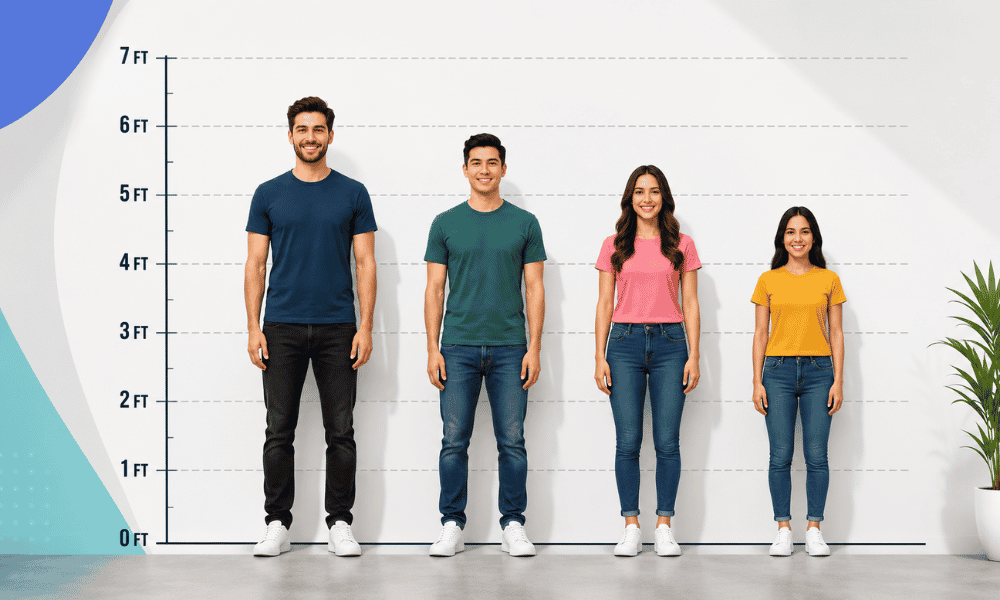
Some tools allow side-by-side visualization, letting you compare my height with others using avatars or silhouettes. This makes it easier to understand differences that might not be obvious in text form.
These tools are not meant to judge but to provide perspective. They help users see where they stand, both statistically and visually, making height comparisons more interactive and informative.
Psychological impact of height comparison
When people frequently compare their height to others, it can sometimes affect self-esteem. Those who feel shorter than average may develop insecurity, while taller individuals may feel more confident in certain environments.
However, psychology research shows that height has a much smaller impact on real-world success than people assume. Confidence, communication skills, and personality play a far greater role in social and professional outcomes.
Still, the curiosity about how tall I am compared to others is natural. The key is to use this comparison as information rather than judgment.
Height comparison in social settings
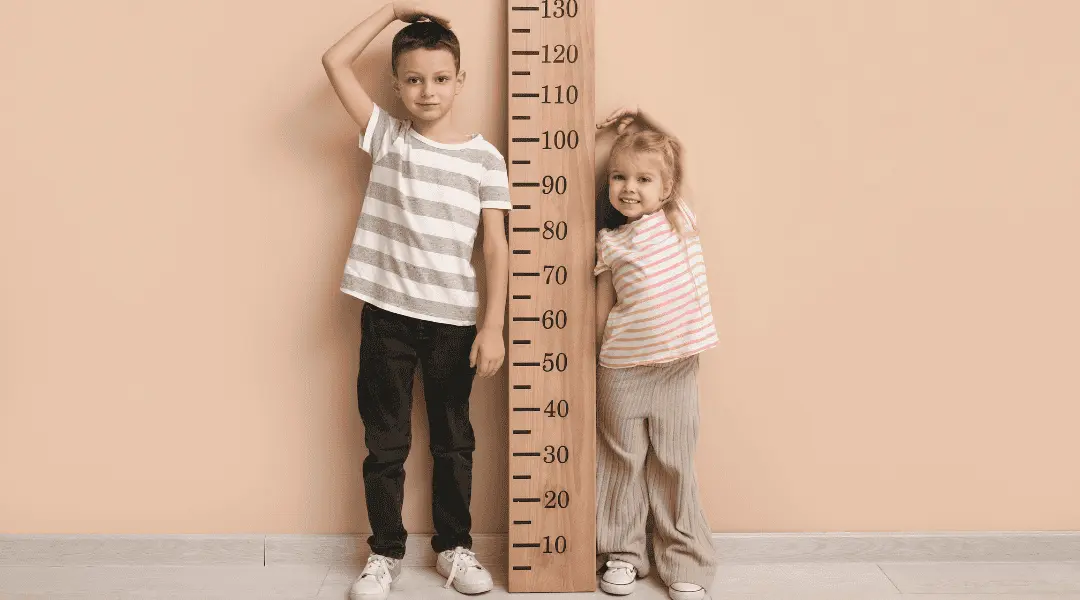
In social environments, height differences are often noticed subconsciously. When you compare my height with others in group photos or gatherings, you may observe patterns in positioning, posture, and interaction dynamics.
For example, taller individuals are often placed at the back of group photos, while shorter individuals are placed in front for better visibility. This is not intentional bias but a practical arrangement.
Understanding how tall I am compared to others in such situations helps me realize that height is just one visual element among many in group dynamics.
Using height comparison for personal awareness
One of the most practical uses of comparing my height with others is personal awareness. It helps you understand your position in a statistical range and can be useful for clothing size estimation, sports participation, or even ergonomic adjustments like desk height.
When you regularly check how tall I am compared to others, you may also notice growth patterns if you are still in a developmental stage. This can help track progress in health and nutrition over time.
However, it is important not to overanalyze small differences, as human height naturally varies within a normal range.
Common misconceptions about height comparison
Many people assume that height differences are more important than they actually are. When they compare my height with others, they often exaggerate small differences visually.
A 2–3 cm difference is often not noticeable in real life unless people are standing very close together. Another misconception is that height directly determines confidence or leadership ability, which is not supported by evidence.
People also tend to compare themselves only with those who appear taller or more dominant, which can distort perceptions when asking, “How tall am I compared to others?” Read more about “Height Myths People Still Believe”.
Conclusion
Height comparison is a natural curiosity that almost everyone experiences. Whether you are checking statistics, using tools, or simply observing people around you, the question Compare my height with others helps you understand your physical position in a broader context.
At the same time, asking how tall I am compared to others should be seen as a way to gain awareness rather than a measure of value. Height is just one aspect of physical appearance and does not define personality, success, or capability.
By understanding averages, perception factors, and social influences, you can interpret height differences more accurately and confidently in everyday life.